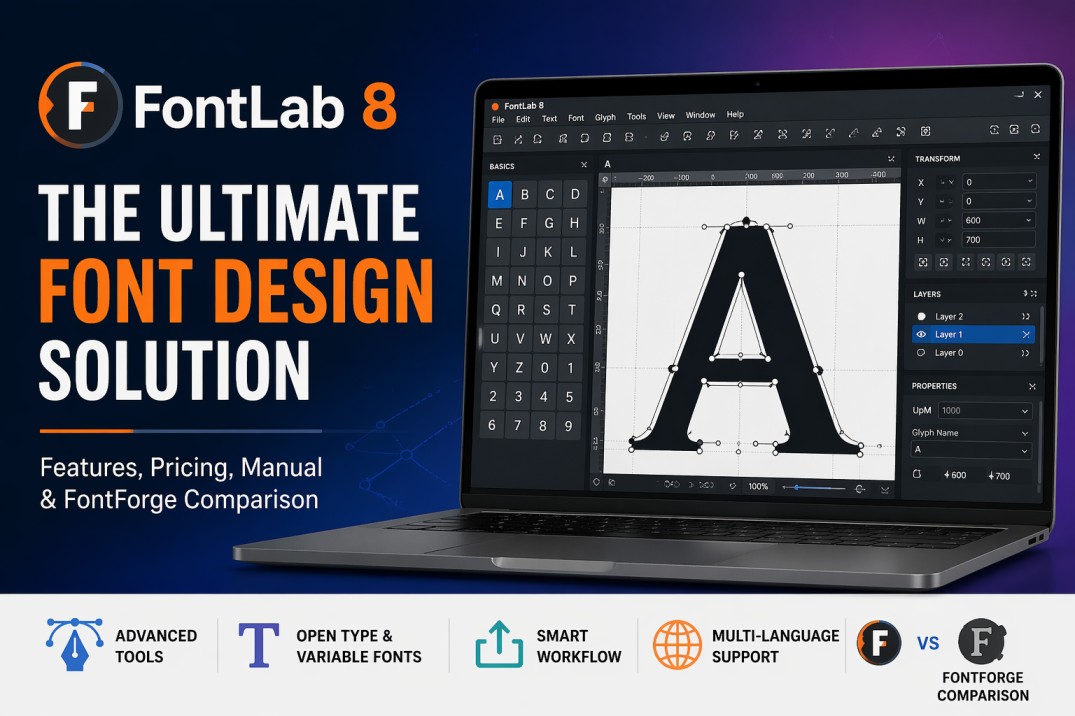
FontLab 8 is one of the most powerful tools for creating professional fonts—but is it the right choice for you? Whether you’re a beginner or an experienced designer, choosing the right font editor can make a huge difference.
In this guide, you’ll learn everything about FontLab 8, including its key features, pricing, how to use it with a simple fontlab 8 manual, and how it compares in the fontforge vs fontlab debate. By the end, you’ll know exactly if this tool is worth your time and money.
What is FontLab 8?
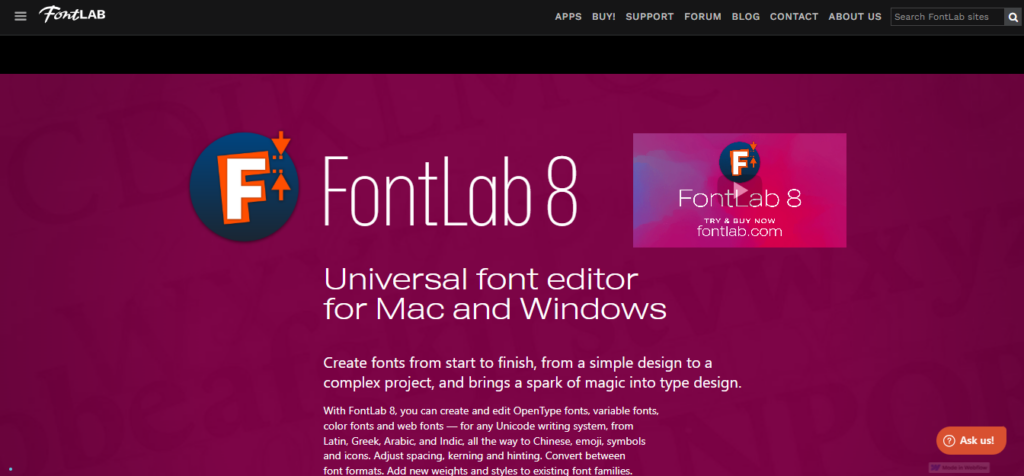
FontLab 8 is a professional font editor used to create, edit, and export custom fonts. It’s one of the most advanced tools in the fontlab software family and is designed for designers, typographers, and anyone serious about making high-quality typefaces.
In simple terms, FontLab 8 lets you draw letters, adjust spacing, fine-tune details, and turn your designs into usable fonts for websites, apps, or print.
Overview of FontLab Software
The fontlab platform has been around for years and is trusted by professionals in the typography industry. Earlier versions like FontLab Studio helped shape modern font design, but FontLab 8 takes things much further.
With FontLab 8, you get:
- A modern interface
- More automation tools
- Better support for complex font formats
- Faster and smoother workflow
It’s built to handle both simple projects and advanced font development.
What Can You Do with FontLab 8?
Here’s what FontLab 8 is mainly used for:
- Create fonts from scratch
Design letters, numbers, and symbols using vector tools. - Edit existing fonts
Modify shapes, spacing, and style of any font. - Build OpenType and variable fonts
Create fonts that can change weight, width, or style dynamically. - Adjust spacing and kerning
Control how letters sit next to each other for better readability. - Export fonts for real-world use
Save your fonts in formats like OTF or TTF.
Key Features That Make FontLab 8 Stand Out
FontLab 8 is powerful, but still flexible enough for different users.
- Advanced drawing tools
Create precise and smooth letter shapes. - Smart automation
Speed up repetitive tasks like spacing and kerning. - Multi-language support
Design fonts for different languages and scripts. - Live preview tools
Test your fonts before exporting. - Full control over details
Fine-tune every part of your font design.
Is FontLab 8 Beginner-Friendly?
FontLab 8 is powerful, but it can feel complex at first.
If you’re new:
- You’ll need time to learn the interface
- Using a fontlab 8 manual or tutorials will help a lot
If you’re experienced:
- You’ll appreciate the depth and control it offers
FontLab 8 vs Other Tools (Quick Mention)
When comparing tools like fontforge vs fontlab, the difference is clear:
- FontLab 8 → More advanced, polished, and professional
- FontForge → Free and simpler, but less user-friendly
This makes FontLab 8 a better choice for serious font creators.
Quick Summary
FontLab 8 is a complete font design tool that gives you full control over how your fonts look and behave. It’s best for users who want professional results and are willing to learn a powerful system.
Key Features of FontLab 8
FontLab 8 comes with powerful tools that help you design, edit, and export professional fonts. Whether you’re a beginner or an expert, these features make your workflow faster and more precise.
1. Advanced Vector Drawing Tools
At its core, FontLab 8 is built for drawing.
You can:
- Create smooth curves and clean shapes
- Edit points and paths with precision
- Use pen and brush tools for custom designs
This gives you full control over every letter you create.
2. Smart Glyph Editing and Automation
Designing fonts can be repetitive, but FontLab 8 makes it easier.
It includes:
- Automatic spacing suggestions
- Smart alignment tools
- Reusable components for faster design
These features save time and reduce manual work.
3. OpenType and Variable Font Support
FontLab 8 supports modern font formats used across the web and apps.
You can:
- Create OpenType fonts with advanced features
- Build variable fonts (adjust weight, width, etc.)
- Add ligatures and alternate characters
This makes your fonts more flexible and future-ready.
4. Spacing and Kerning Tools
Good spacing is what makes a font readable.
With FontLab 8, you can:
- Adjust spacing between letters
- Fine-tune kerning pairs
- Use auto-kerning for faster results
If you’re following a fontlab 8 manual, this is one of the most important sections to learn.
5. Multi-Language Font Support
Want to create fonts for global use? FontLab 8 has you covered.
It supports:
- Latin, Cyrillic, Greek, and more
- Special characters and symbols
- Complex scripts for different languages
This is useful if you’re building fonts for international audiences.
6. Built-in Testing and Preview Tools
Before exporting, you can test your font inside FontLab 8.
Features include:
- Live text preview
- Font testing in different sizes
- Real-time updates while editing
This helps you catch mistakes early.
7. Customizable Interface and Workflow
FontLab 8 lets you adjust the workspace to fit your style.
You can:
- Move panels and tools
- Save custom layouts
- Speed up your workflow with shortcuts
This makes the software more comfortable to use over time.
8. Powerful Export Options
Once your font is ready, FontLab 8 makes exporting simple.
You can export:
- OTF (OpenType fonts)
- TTF (TrueType fonts)
- Variable font files
Your fonts will be ready for use on websites, apps, or print.
FontLab 8 vs Other Tools (Quick Insight)
When comparing fontforge vs fontlab, features are a big difference:
- FontLab 8 → Advanced tools, automation, better UI
- FontForge → Basic features, more manual work
This is why professionals often choose FontLab 8.
Quick Summary
FontLab 8 stands out because it combines powerful design tools, automation, and modern font support in one place. It’s built to help you create professional fonts faster and with more control.
FontLab 8 Interface and User Experience
The FontLab 8 interface is built to handle complex font design while still being flexible. At first glance, it may look advanced, but once you understand the layout, it becomes easier to use.
Dashboard and Workspace Layout
When you open FontLab 8, you’ll see a structured workspace with different panels.
Main areas include:
- Glyph Window – where you draw and edit letters
- Font Overview Panel – shows all characters in your font
- Toolbar – contains drawing and editing tools
- Properties Panel – lets you adjust details like spacing and curves
Everything is organized so you can move between tasks without confusion.
Ease of Use for Beginners
FontLab 8 is powerful, but beginners may need some time to learn it.
What helps:
- Clean layout with grouped tools
- Tooltips that explain features
- Access to guides and the fontlab 8 manual
What can be challenging:
- Many advanced tools at once
- New terms like glyphs, kerning, and metrics
If you’re new, start with basic tasks like editing simple shapes before moving to full font creation.
Customization and Workflow Efficiency
One of the best things about FontLab 8 is how customizable it is.
You can:
- Move panels around your screen
- Create your own workspace layout
- Use keyboard shortcuts to speed up work
This helps you build a workflow that fits your style.
Performance and Responsiveness
FontLab 8 runs smoothly for most tasks.
You’ll notice:
- Fast rendering of glyphs
- Real-time updates when editing
- Stable performance with large font files
This makes it reliable for both small and complex projects.
User Experience Compared to Other Tools
When looking at fontforge vs fontlab, the interface is a big difference:
- FontLab 8 → Modern, polished, easier navigation
- FontForge → Older interface, less intuitive
This is why many designers prefer FontLab 8 for long-term use.
Learning Curve: What to Expect
The learning curve depends on your experience.
- Beginners → Moderate difficulty, but manageable with tutorials
- Intermediate users → Easy to adapt
- Professionals → Full control and flexibility
Using the fontlab 8 manual can speed up your learning a lot.
Quick Summary
The FontLab 8 interface is powerful, flexible, and designed for serious font creation. While it may take time to learn, its customization options and smooth performance make it a strong choice for designers.
FontLab 8 Pricing and Licensing
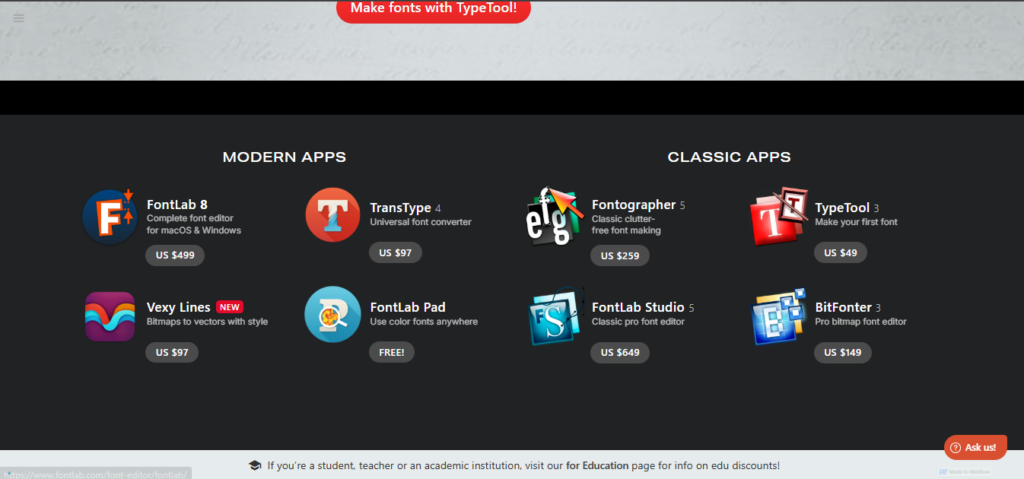
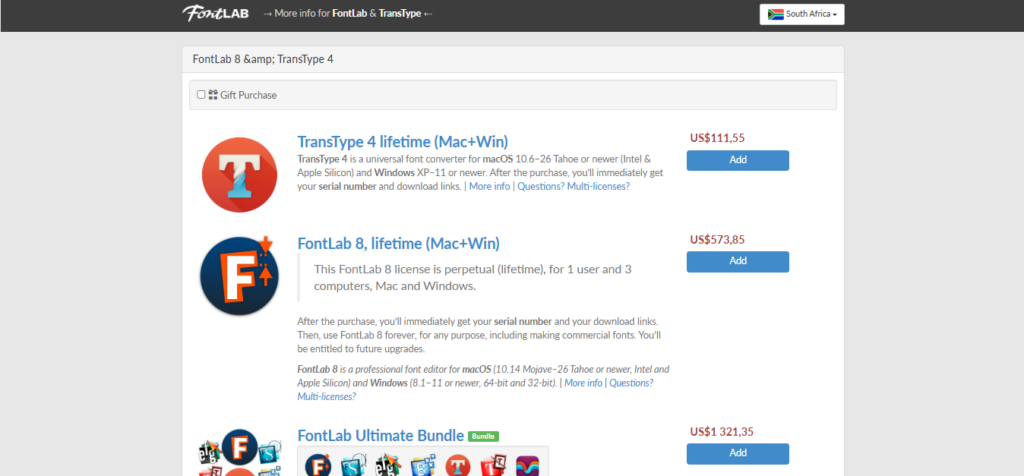
Understanding FontLab 8 pricing and licensing is important before you decide to buy. The good news is that FontLab 8 offers flexible options, so you can choose what fits your budget and needs.
FontLab 8 Pricing Plans
FontLab 8 is not free, but it gives you different pricing choices:
- Starter Plan (3 months) – about $97
- Full features
- Good for short-term projects
- Lifetime License (Pro) – about $499
- One-time payment
- Use forever with no subscription
- Student/Teacher Lifetime – about $335
- Discounted option for education
- Student 1-Year Plan – about $109
- Lower cost for temporary use
- Upgrade Pricing – starts from $149
- For users of older fontlab versions or other tools
This flexible pricing makes FontLab 8 accessible for both beginners and professionals.
Is There a Free Version of FontLab?
There is no permanent free version, but you can try it first.
- Free trial: 10 days
- Full access to all features
- No limitations during the trial period
This is a great way to test the software before buying.
What Does the License Include?
When you buy FontLab, you’re getting a software license, not just a download.
Here’s what you can do:
- Install on up to 3 personal computers (single user)
- Use it for personal and commercial font projects
- Access updates and improvements
However:
- You cannot share your license with others
- Each user needs their own license
Subscription vs One-Time Payment
Unlike many tools today, FontLab gives you a choice.
- Subscription-style (Starter)
- Lower upfront cost
- Expires after a few months
- One-time payment (Lifetime)
- Higher cost upfront
- No recurring fees
If you plan to use it long-term, the lifetime license is usually the better value.
Is FontLab Worth the Price?
FontLab is not cheap, but it offers professional-level features.
It may be worth it if:
- You want full control over font design
- You plan to create fonts regularly
- You need advanced tools not found in free software
If you’re comparing fontforge vs fontlab:
- FontForge → Free but limited
- FontLab → Paid but more powerful and efficient
Tips Before You Buy
Before purchasing FontLab, consider this:
- Start with the free trial
- Check if you qualify for student discounts
- Decide if you need short-term or long-term access
- Use the fontlab 8 manual during trial to learn faster
Quick Summary
FontLab offers flexible pricing with both short-term and lifetime options. While it’s more expensive than free tools, the features and control make it a strong investment for serious font designers.
FontLab 8 Manual – How to Get Started
Getting started with FontLab is easier when you follow a simple process. This section works like a beginner-friendly fontlab 8 manual, showing you the basic steps to create your first font.
1. How to Install FontLab
First, download and install FontLab on your computer.
Steps:
- Go to the official website
- Download the installer (Windows or Mac)
- Run the setup file
- Follow the on-screen instructions
Once installed, open the software and start a new project.
2. Create a New Font Project
After opening FontLab, you need to create a new font file.
Steps:
- Click File → New Font
- Choose a font template (optional)
- Open the Font Overview panel
This panel shows all characters (letters, numbers, symbols).
3. Draw Your First Glyph
A glyph is a single character (like A, B, or 1).
Steps:
- Double-click any letter (e.g., “A”)
- Use drawing tools to create the shape
- Adjust curves and lines
Tips:
- Start with simple shapes
- Keep your design clean and balanced
4. Edit and Refine Your Design
Once your glyph is created, refine it.
You can:
- Adjust curves for smooth edges
- Align shapes properly
- Use guides for better accuracy
This is where FontLab really shows its power.
5. Add Spacing and Kerning
Good spacing improves readability.
Steps:
- Open the Metrics window
- Adjust space between letters
- Fix kerning pairs (like AV, To)
If you’re following a fontlab 8 manual, this is one of the most important steps.
6. Test Your Font
Before exporting, test your font inside FontLab.
You can:
- Preview text in real-time
- Check different sizes
- Spot design mistakes
This helps you improve your font before final use.
7. Export Your Font
Once your font is ready, export it.
Steps:
- Click File → Export Font
- Choose format (OTF or TTF)
- Save to your computer
Now your font is ready to use in design software or websites.
Beginner Tips for Faster Learning
If you’re new to FontLab, keep these tips in mind:
- Start with basic letters (A–Z)
- Use templates instead of starting from scratch
- Follow tutorials along with this fontlab 8 manual
- Practice spacing and consistency
FontLab vs Other Tools (Quick Note)
When comparing fontforge vs fontlab for beginners:
- FontLab → Easier workflow, better tools
- FontForge → Free but harder to learn
This makes FontLab a better choice if you want a smoother start.
Quick Summary
This fontlab 8 manual shows that getting started with FontLab is simple when you follow the right steps. From drawing your first glyph to exporting a full font, the process is clear and manageable.
FontForge vs FontLab – Which One Should You Choose?
Choosing between FontForge vs FontLab depends on your budget, experience, and goals. Both tools can create fonts, but they are built for different types of users.
If you want a simple answer:
- FontLab → Best for professionals and serious designers
- FontForge → Best for beginners or those who want a free tool
Let’s break it down clearly.
Quick Overview of Each Tool
What is FontLab ?
FontLab is a premium font editor with advanced tools for creating professional fonts. It’s widely used by designers and studios for complex typography work.
What is FontForge?
FontForge is a free, open-source font editor that supports many font formats and scripting features.
It’s powerful, but less polished compared to paid tools.
Key Differences: FontForge vs FontLab
1. Price
- FontLab → Paid software (premium features)
- FontForge → 100% free and open-source
If budget is your main concern, FontForge wins.
2. Ease of Use
- FontLab
- Modern interface
- Easier navigation
- Better learning experience
- FontForge
- Older interface
- Harder to learn
- Less beginner-friendly
Many users find FontForge more complex due to its interface and workflow.
3. Features and Power
- FontLab
- Advanced drawing tools
- Automation and smart features
- Strong support for variable fonts
- FontForge
- Supports many font formats
- Includes scripting (Python) for automation
- Good for basic to advanced editing
Both are powerful, but FontLab is more polished and efficient.
4. Workflow and Speed
- FontLab
- Faster workflow
- Built-in automation tools
- Better for large projects
- FontForge
- More manual work
- Slower for complex tasks
5. Learning Curve
- FontLab
- Medium learning curve
- Easier with a fontlab 8 manual
- FontForge
- Steeper learning curve
- Requires more trial and error
6. Professional Use
- FontLab
- Used by professionals and agencies
- Ideal for commercial font creation
- FontForge
- Used by hobbyists and developers
- Also used in some open-source projects
Pros and Cons
FontLab Pros
- Advanced tools and automation
- Clean and modern interface
- Best for professional font design
FontLab Cons
- Expensive
- Takes time to learn
FontForge Pros
- Free and open-source
- Supports many formats
- Includes scripting features
FontForge Cons
- Outdated interface
- Harder to use
- Less efficient workflow
Which One Should You Choose?
Choose FontLab if:
- You want professional results
- You plan to create fonts regularly
- You need advanced features
Choose FontForge if:
- You want a free tool
- You are just starting out
- You don’t mind a steeper learning curve
Quick Summary
In the fontforge vs fontlab debate, the best choice depends on your needs. FontLab offers a more powerful and user-friendly experience, while FontForge is a solid free option for beginners.
If you’re serious about font design, FontLab is the better long-term investment.
Conclusion: Is FontLab 8 Worth It?
FontLab stands out as one of the most powerful tools for creating professional fonts. In this guide, we covered everything you need to know—from what FontLab is, its key features, and interface, to pricing, the fontlab 8 manual, and even the fontforge vs fontlab comparison.
Here’s the bottom line:
- FontLab 8 offers advanced tools and full control over font design
- It has a modern interface that improves workflow and productivity
- It supports professional features like OpenType and variable fonts
- It’s a better long-term choice compared to free tools like FontForge
While it may take time to learn, the results you can achieve with FontLab are worth the effort—especially if you’re serious about typography.
If you’re ready to start creating your own fonts, now is the perfect time to take action.
Try FontLab today and see how powerful font design can be
If you found this guide helpful, consider sharing it or leaving a comment with your experience.
If you’re building a full creative workflow, don’t miss our in-depth HappyScribe review to streamline your audio and text content alongside FontLab 8.